Indoor vs outdoor condensing units: Which is the right choice?
Choosing the right condensing unit is an important decision when designing or upgrading a refrigeration system. While both indoor and outdoor condensing units can deliver reliable refrigeration performance, the best option depends on factors such as available space, noise considerations, environmental conditions and ease of maintenance. Understanding the advantages and limitations of each approach can help contractors and system designers select the most suitable solution for the application.
What is a condensing unit?
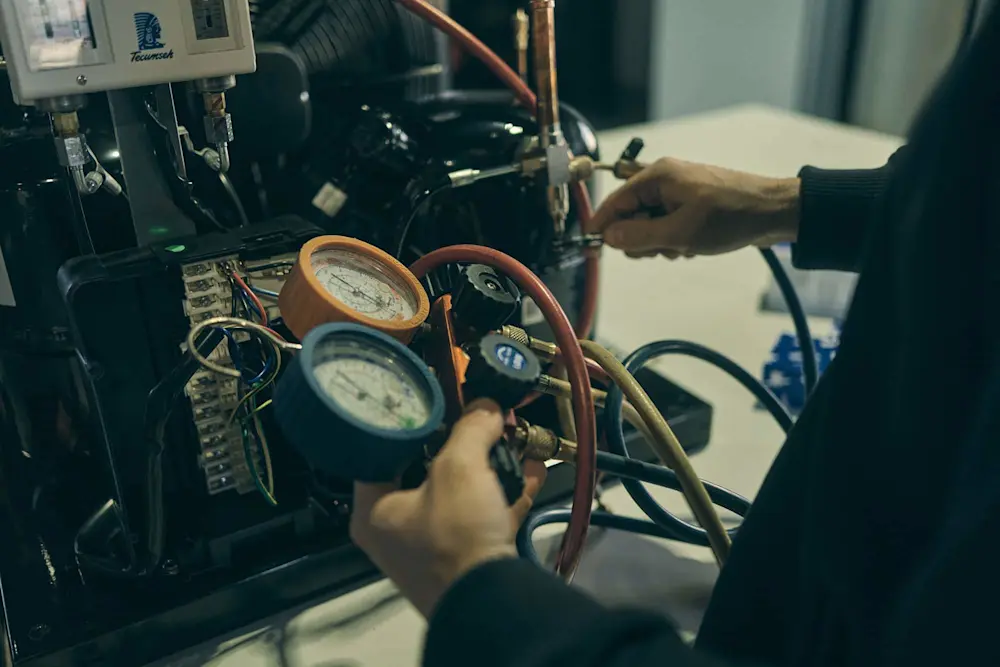
A condensing unit combines several key refrigeration components into a single assembly, typically including the compressor, condenser, fan assembly and associated controls. Its role is to remove heat from the refrigeration system and reject it to the surrounding environment, allowing the system to maintain the required operating temperature. Condensing units are commonly installed either indoors or outdoors depending on the application and site requirements.
What's the difference between indoor and outdoor condensing units?
The primary difference is the location of the equipment. Indoor condensing units are installed within the building, often in plant rooms, service areas or dedicated equipment spaces. Outdoor condensing units are installed externally and are designed to withstand exposure to weather and varying ambient conditions. While both perform the same refrigeration function, their installation requirements and operating characteristics can vary significantly.
What are the advantages of indoor condensing units?
Indoor condensing units can offer several benefits in the right environment.
Protection from weather exposure
Because the unit is installed indoors, it’s protected from rain, direct sunlight, coastal conditions and other environmental factors that can contribute to corrosion and component deterioration. This can help extend equipment life and reduce exposure-related maintenance requirements.
Easier servicing and maintenance
Indoor installations often provide technicians with easier access during servicing, regardless of weather conditions. Maintenance activities such as inspections, repairs and component replacement can typically be completed in a more controlled environment.
Reduced exposure to environmental contaminants
Indoor units may be less exposed to airborne contaminants such as salt, dust, debris and leaves that can affect condenser performance over time.
Water-cooled options for noise-sensitive applications
Where available, water-cooled condensing units can provide a quieter alternative to traditional air-cooled equipment, making them suitable for certain commercial environments where noise is a consideration.
What are the limitations of indoor condensing units?
Despite their advantages, indoor installations require careful planning.
Heat removal requirements
A condensing unit rejects heat from the refrigeration system, and that heat must be removed from the building. Without adequate ventilation or exhaust systems, excessive heat build-up can affect equipment performance and increase room temperatures.
Additional space requirements
Indoor installations require sufficient plant room or service area space for equipment, airflow and future maintenance access. In some facilities, suitable indoor space may be limited.
Ventilation design considerations
Proper airflow is critical. Poor ventilation can lead to elevated condensing temperatures, reduced system efficiency and increased operating costs.
Weight
Indoor units can be heavy, especially when mounted on cool room panels. Structural support requirements should be assessed during system design to ensure safe installation.
Mounting limitations
Indoor installations require space indoors, which can be limited. In some applications and spaces, building constraints may limit mounting options or increase installation complexity.
What are the advantages of outdoor condensing units?
Outdoor condensing units are a popular choice across a wide range of refrigeration applications.
Space-saving installation
Moving the condensing unit outdoors frees up valuable internal building space that can be used for storage, production or operational activities.
Natural heat rejection
Outdoor units can reject heat directly to the surrounding environment without requiring dedicated ventilation systems within the building. This can simplify system design in many applications.
Packaged, ready-to-install solutions
Many outdoor condensing units are supplied as fully fitted packaged units with factory-installed controls and components, helping reduce installation time and simplifying commissioning.
Suitable for larger capacity applications
Outdoor packaged units are available across a wide range of capacities, making them suitable for everything from small commercial systems through to larger industrial refrigeration applications.
Explore some of our most popular outdoor condensing units.
What are the limitations of outdoor condensing units?
Outdoor installations also have challenges that should be considered during system design.
Exposure to weather conditions
Outdoor units are continuously exposed to environmental conditions including rain, UV exposure, wind, dust and coastal air. These factors can contribute to corrosion and increased maintenance requirements if not properly managed.
Noise considerations
Depending on the location and application, noise generated by condenser fans and compressors may need to be assessed to ensure compliance with site requirements.
Access for servicing
Maintenance activities may be affected by weather conditions and equipment location, particularly where roof access or elevated work platforms are required.
How do you choose between an indoor and outdoor condensing unit?
The right solution depends on the specific application, site conditions and operating requirements. Before making a selection, consider:
Available plant room and building space
Ventilation requirements
Ambient environmental conditions
Noise restrictions
Service and maintenance access
Equipment capacity limitation or system capacity requirements
Installation costs
Long-term operating and maintenance considerations
No single option suits every project, which is why equipment selection should always be assessed on a case-by-case basis.
Can one option improve system efficiency?
Efficiency is influenced by many factors beyond the location of the condensing unit. System design, refrigerant selection, condenser sizing, airflow management and control strategies all play a significant role in overall performance. A well-designed indoor installation can perform just as effectively as a well-designed outdoor installation. The key is ensuring the condensing unit is correctly selected and installed for the application's operating conditions.
The bottom line
Both indoor and outdoor condensing units have advantages and limitations. Indoor units can offer protection from the elements, easier maintenance access and reduced environmental exposure, while outdoor units can save valuable indoor space and simplify heat rejection. The best choice depends on the application, site constraints and performance requirements. Evaluating factors such as ventilation, maintenance access, environmental conditions and available space will help ensure the most suitable refrigeration solution is selected.
Need help choosing the right condensing unit for your project? Speak with your local ACTROL team or explore our range of refrigeration condensing units and technical support services.
Share